
Understanding Your Dog: How to Read Their Body Language?
Updated: Nov 17, 2025
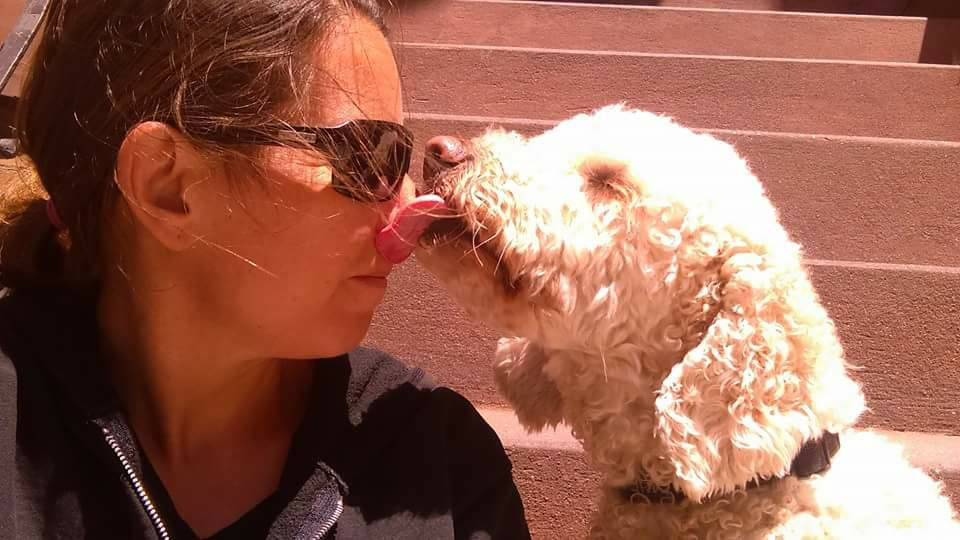
While out on one of Vernon's trails, have you ever paused during a walk and wondered what your dog is trying to tell you? While dogs can’t use words, they are always communicating through posture, ears, tail, eyes, and even subtle gestures. Learning to read these signals helps you build trust, keep everyone safe, and make your time together more relaxed and joyful.
The Tail: More Than Just a Wag
It’s tempting to assume a wagging tail always means happiness—but it’s more nuanced.
A loose, wagging tail usually signals friendliness or contentment.
A high, stiff tail suggests alertness, tension, or possible conflict.
A tucked tail often indicates fear or anxiety.
To understand what the tail is really “saying,” consider the speed, height, and whether the rest of the body looks relaxed or tense.
Ears and Eyes: Windows Into Emotion
Your dog’s ears and eyes provide even more clues:
Ears forward or perked: curiosity or alertness.
Ears flattened back: stress, uncertainty, or discomfort.
Soft eyes: comfort and relaxation.
“Whale eye” (whites showing) or avoiding contact: unease or fear.
Posture: The Whole Picture
Body language ties everything together.
A relaxed dog has loose muscles, a neutral tail, and easy posture.
A play bow (front legs down, rear up) is a clear invitation to play.
Rigid body, forward lean, tucked belly, or freezing are red flags for anxiety, fear, or defensive feelings.
Subtle Calming Signals
Before stress escalates, dogs often show calming signals that are easy to miss:
Yawning when not tired.
Lip licking.
Turning the head away.
Sniffing the ground.
Lowering the tail slightly.
Recognizing these early signs allows you to adjust—by giving space or reducing stimulation—before bigger stress behaviors appear.
Why This Matters
By understanding body language, you can respond appropriately: slowing your pace, avoiding crowded environments, or offering comfort instead of pressure. These responsive choices build trust and make walks and daily life more positive for both of you.
How I Use This on Walks
On my structured walks, I pay close attention to these signals. If I notice stiff posture, ears pinned back, or darting eyes, I adjust pace, create space, or redirect attention before stress builds. When I see relaxed movements and soft eyes, I know the dog is engaged and happy.
The key is to look at the whole dog in the whole moment—tail, ears, eyes, posture, and the environment around them. By learning your dog’s “normal,” you’ll spot small changes more easily and respond with confidence.
Final Thoughts
Dogs are always communicating, it’s up to us to listen. By tuning in to body language, you’ll strengthen your bond, improve safety, and enjoy calmer, happier walks together.
🐾 Want your pup to enjoy safe, structured walks with someone who understands their signals? Book a walk today and give your dog the care, attention, and understanding they deserve.
Comments